How to Build a World in a Warehouse
A rave is temporary architecture. It goes up in a day, holds a few hundred people’s best night of the month, and disappears before the neighbors notice. Before anyone dances, somebody decides where the clouds go.
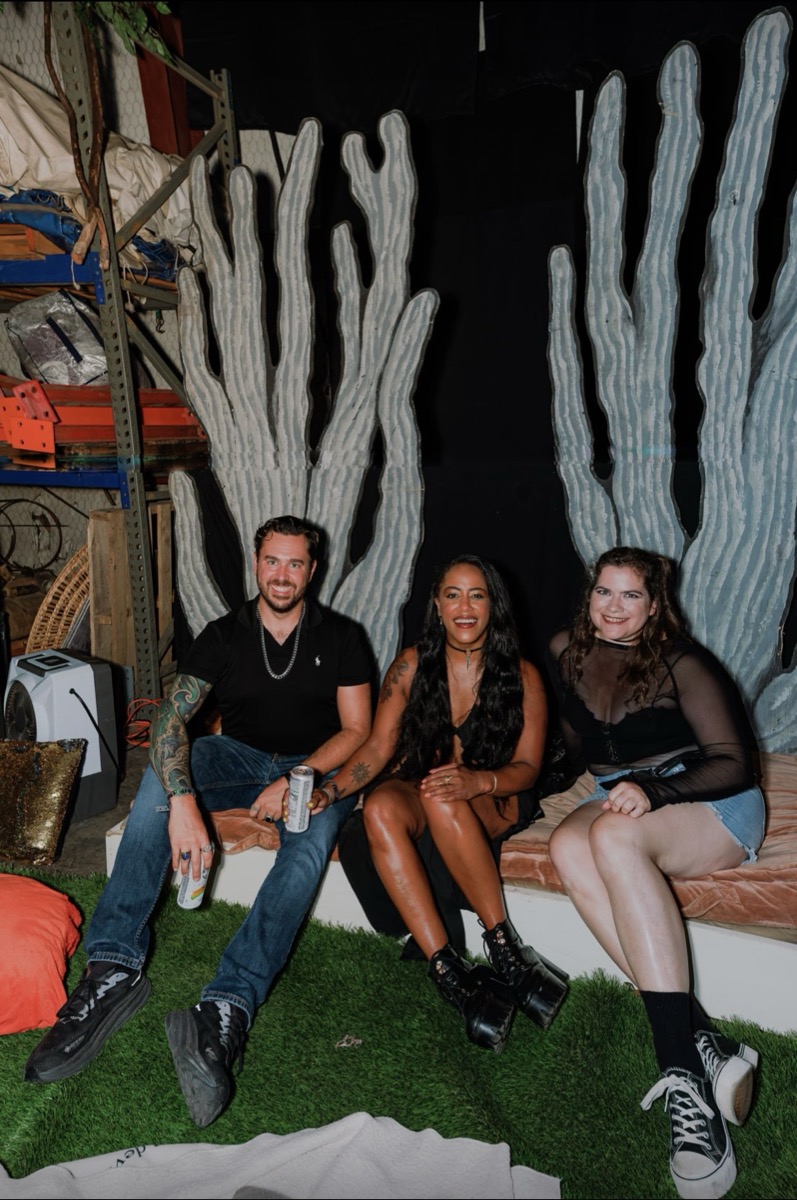
A warehouse is a box, and the box is the appeal. It has no opinion about what it should be, which means the room is whatever you have the nerve to declare it. The craft is remembering that a dance floor alone doesn’t make a night. People need somewhere to land between songs. Corners.
So you build corners, and if you have the nerve, worlds. A desert where there is no desert. A sky where there is no sky. A first-class cabin bolted to a concrete floor. Each one is a little stage that says: sit here, pose here, fall in love here for fifteen minutes.
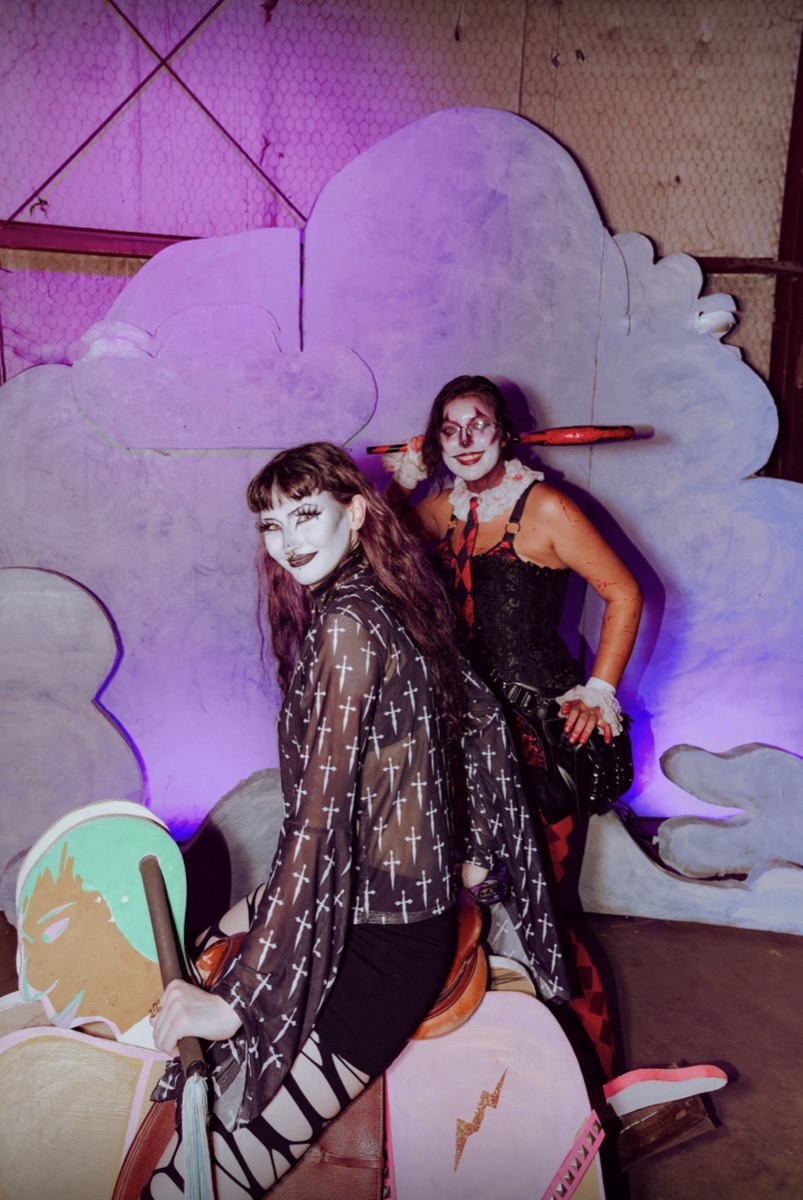
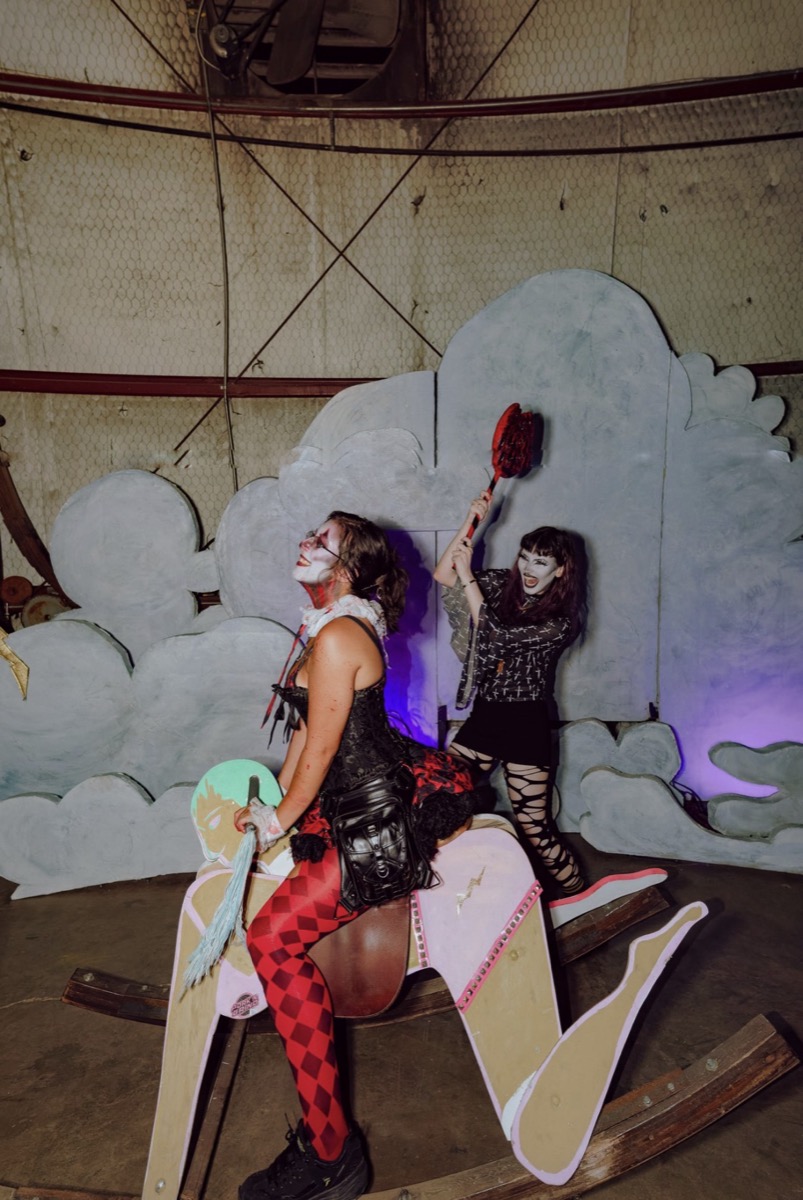
Watch what happens to a set piece over one night. At ten it’s scenery. By midnight it’s a photo booth. By two it’s a confessional. Nobody is told what the cloud bank is for. They decide, and the deciding is the point. The real product of production design is permission.
Joy is staged.
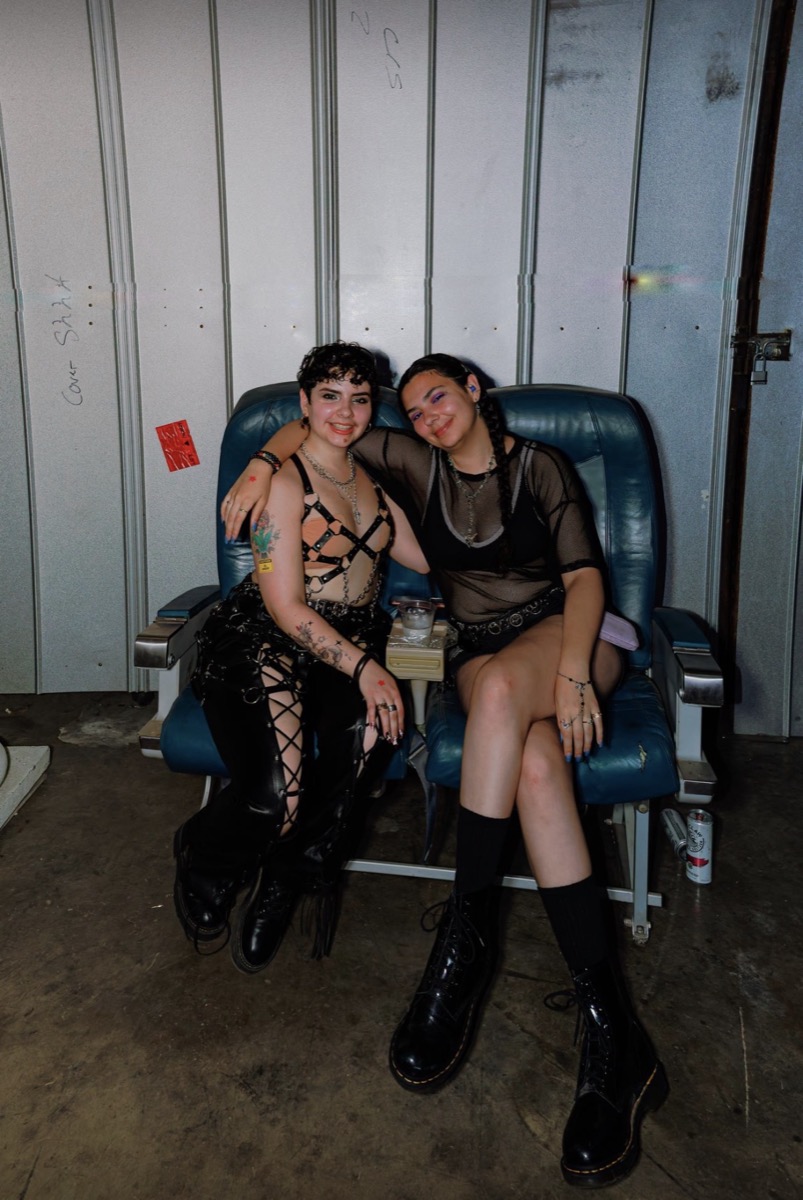
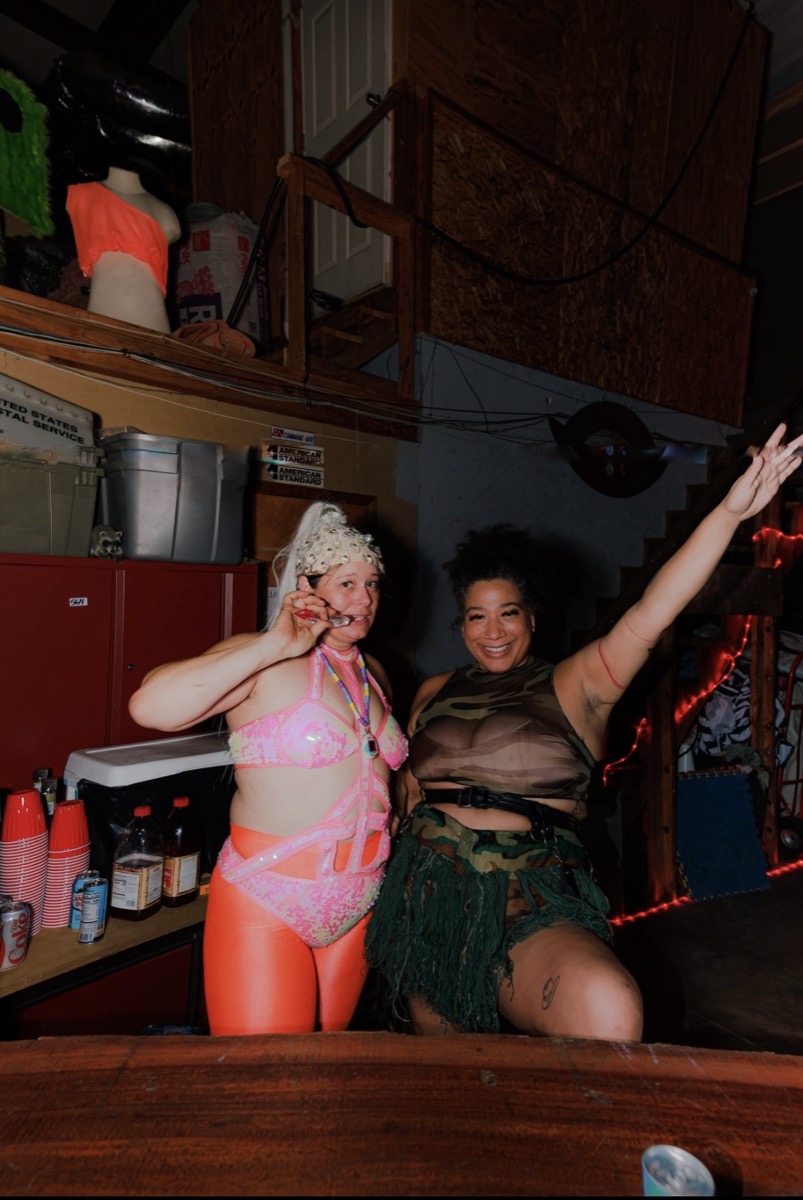
None of it is precious. The saguaros are plywood. The clouds are chicken wire. The seats came out of an actual airplane and the bar backs onto a stack of postal crates. The honesty is the aesthetic. A room that admits what it’s made of invites everyone in it to do the same.
Then, at five, it all comes down. The world gets struck, the box goes back to being a box, and the only proof it happened is what the camera kept.
Set pieces, staging, rooms that feel like somewhere else. It’s the part of the job we love most.