How a Room of Strangers Becomes a Scene
A few things we keep noticing in the rooms we’ve built.

Nobody teaches you how to turn a room of strangers into a scene. You learn by watching it happen: at a folding table covered in rhinestones, at a warehouse rave at 3am, at a card table where two people who just met are already arguing about strategy.
It starts smaller than a manifesto or a marketing plan, usually with one person deciding to open a door. “Art is the spark,” our founder wrote. “The room is what keeps the fire alive.” Sparks are easy. Anyone can post an event. The sustained, come-back-next-week room takes the real work.
A scene also needs a reason to return that outlasts the event itself. The campaign, the paint night, the DJ set: those are the excuse. People come back for the two or three faces they half-recognize from last time, for the inside joke turning three weeks old, for the feeling of becoming known somewhere.
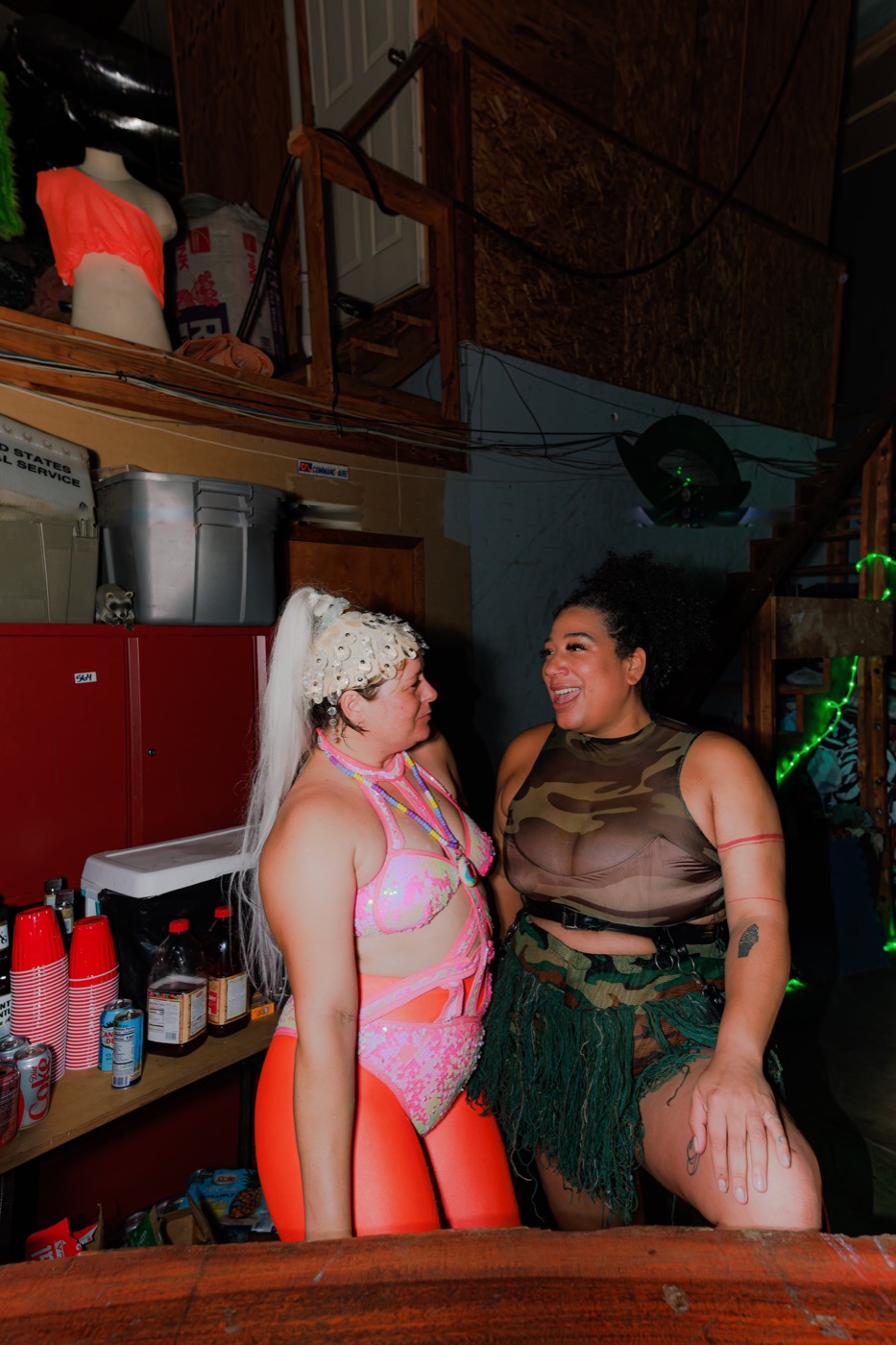

The last test comes the morning after. Peak-hour euphoria is cheap; the real question is who’s still talking about the night a week later. Days after Babestock ended, attendees were still sending us messages about it, unprompted. Rooms become scenes exactly that way.

Every scene in this note started with someone showing up for the first time. That could be you, next week.